2026 Design Trends: From Prediction to Practice
or years, design trends were about what looked new. In 2026, design is about what feels right. We’ve moved past the phase of chasing aesthetics for attention. Audiences are visually saturated. AI can generate endless aesthetics in seconds. Minimalism has been overused, maximalism romanticized, and trends now cycle faster than designers can apply them.
6 min read
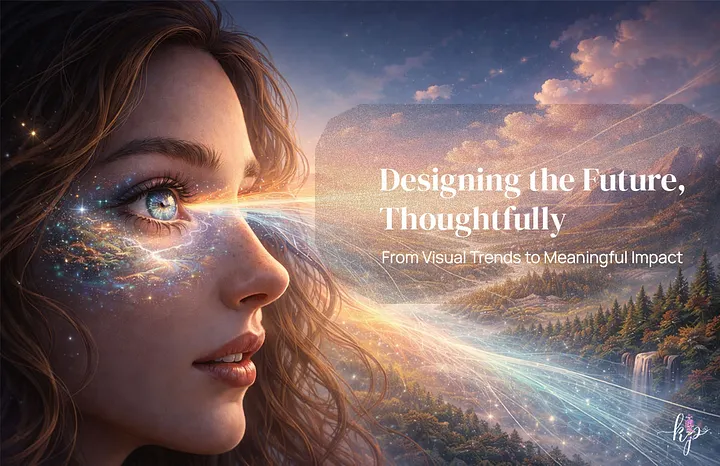
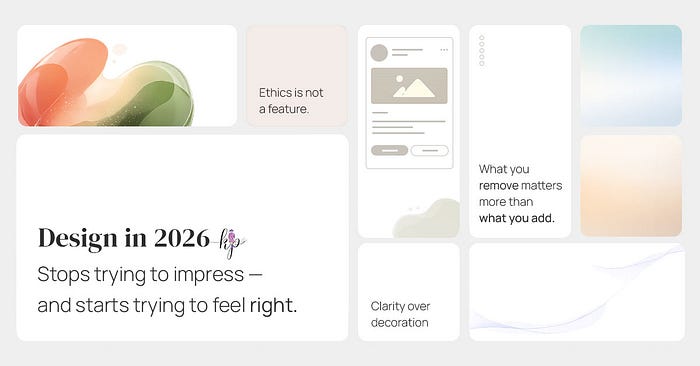
Design in 2026 is shifting toward intentionality, usefulness, emotion, and human clarity.
The most impactful work today isn’t defined by tools or visual styles — it’s defined by how thoughtfully it solves real problems.
This is not another trend list.
It’s a reality check — and a practical guide for designers navigating 2026.
Press enter or click to view image in full size
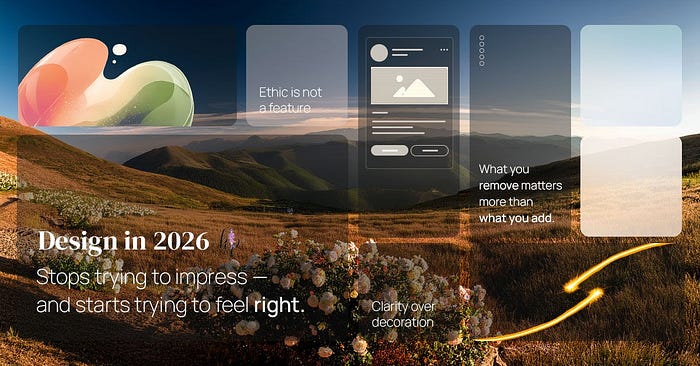
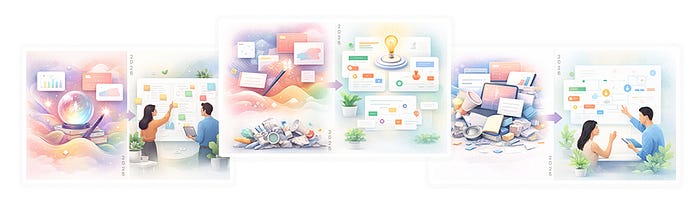
The Big Shift: What Changed From 2025 → 2026
1. From Prediction to Practice
In 2025, designers speculated.
In 2026, we’re seeing what actually works.
Trends are no longer “emerging” — they’re being tested, refined, or rejected.
2. From Visual Noise to Visual Purpose
Design is no longer about grabbing attention at any cost.
It’s about guiding attention — calmly, clearly, and meaningfully.
3. From Tool-Driven to Thinking-Driven
AI tools are everywhere.
What separates designers now isn’t access — it’s judgment, taste, and decision-making.
What modern design looks like:
Editorial-style layouts with hierarchy
Calm, focused interfaces
Strong typographic storytelling
Less clutter, more intention
Press enter or click to view image in full size
Visual & Graphic Design Trends in 2026
Aesthetic Directions That Support Meaning
Human-First Visual Language
Design is becoming warmer, more grounded, and more human.
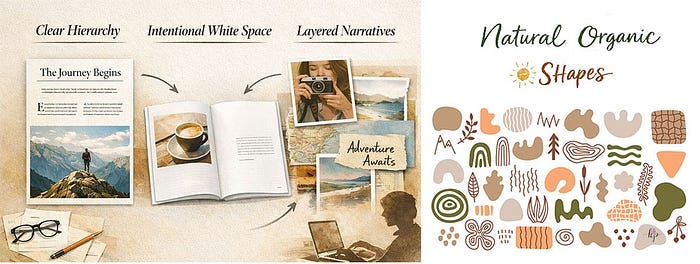
Nature-inspired designs
Organic shapes and textures
Hand-drawn marks and imperfect layouts
These aren’t decorative choices — they signal authenticity and emotional presence.
Editorial & Story-Led Layouts
Design borrows from magazines and storytelling:
Clear hierarchy
Intentional white space
Layered narratives instead of flat visuals
This is where quirky illustration, custom-shaped photography, and editorial compositions shine — adding personality without visual overload.
Expressive Simplicity
Not minimalism for aesthetics’ sake — but clarity with character.
Bold minimalism
Neo-brutalism (used purposefully, not aggressively)
Strong contrast, fewer elements, sharper ideas
Press enter or click to view image in full size

Press enter or click to view image in full size
Typography & Fonts: Voice Over Decoration
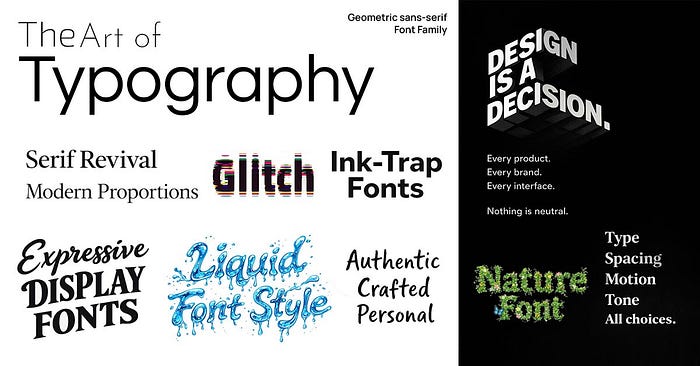
Typography is no longer supporting the visual — it is the visual.
What’s Rising
Expressive display fonts with clean body text
Ink-trap fonts for performance and clarity
Serif revival with modern proportions
Handcrafted & humanist letterforms
Liquid Font Style
Accent Trends (Used Sparingly)
Pixel art revival (icons, micro-moments, brand details)
Glitch effects (identity moments, not full interfaces)
What’s Changing
Typography is treated as tone of voice, not ornament.
Designers are asking: “Does this typeface sound like the brand?”
Practical focus:
Strong typographic systems instead of font overload
Motion typography used sparingly for emphasis
Accessibility considered from the start
Press enter or click to view image in full size
Color, Blend, Nostalgia & Mood: Emotional, Grounded, Real
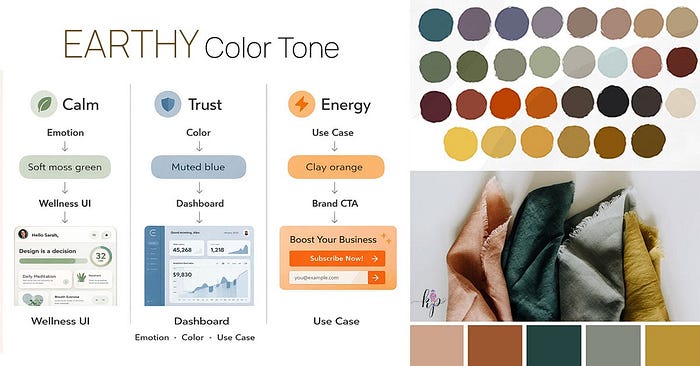
Color trends in 2026 reflect a cultural shift toward grounding, emotional balance, and visual calm. After years of overstimulation, design is moving away from loud palettes toward colors that feel stable, human, and reassuring.
What We’re Seeing
Earth-inspired tones: clay, moss, sand, deep teal, glacier blues
Expanded neutrals: warm off-whites, greige, charcoal
Muted vibrancy instead of neon overload
Softer contrasts that reduce visual fatigue
Fewer colors, stronger intent
Retro-futurism reframed as optimism, not gimmick
Color is no longer used to shout — it’s used to hold space.
Why It Matters
Color in 2026 isn’t about fashion. It’s about emotional regulation, accessibility, and long-term brand sustainability. Calm palettes build trust, reduce cognitive load, and help brands age gracefully in a noisy digital world.
✅ The 2026 Color Rules
✔ Fewer colors, clearer intent
✔ Calm beats loud
✔ Accessibility first
✔ Emotion over aesthetics
Color is no longer decoration.
It’s emotional infrastructure.
Press enter or click to view image in full size
UI/UX & Product Design: Designing Calm, Intelligent Experiences
Layout & Structure Trends
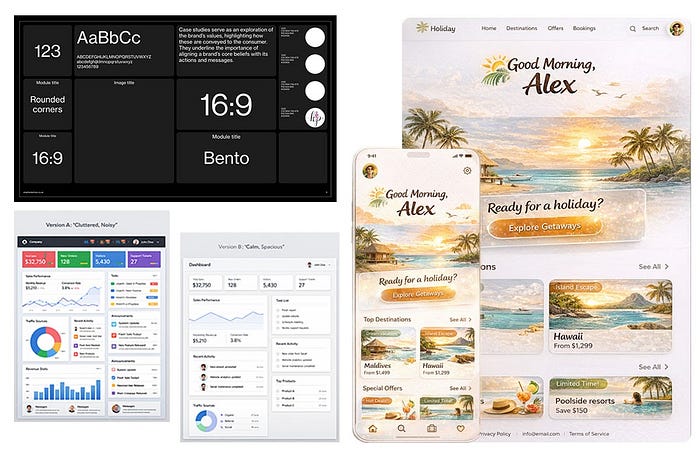
Bento Grid Layouts- Inspired by bento boxes, these modular grids allow different-sized content blocks to coexist clearly.
Why they work in 2026:
Easy scanning
Flexible hierarchy
Calm complexity without clutter
Utilitarian Design
Function first
No unnecessary decoration
Design earns its place by usefulness
Press enter or click to view image in full size
Interface & Interaction Shifts
Interfaces in 2026 don’t try to impress — they try to disappear.
Key Shifts
Bigger typography & generous spacing
Quieter interfaces (Zero-UI mindset)
Micro-interactions that guide, not distract
Responsible glassmorphism
Soft UI used selectively
Strategic minimalism
Anti-Design 2.0 (rule-breaking with purpose)
Press enter or click to view image in full size
Motion-Led Branding: When Movement Has Meaning
Motion is no longer decoration — it’s communication.
Subtle logo motion
Scroll-based guidance
Feedback animations
Brand rhythm, not spectacle
Motion is used to:
Clarify
Guide
Humanize
Not to overwhelm.
Experience Intelligence & Ethical UX
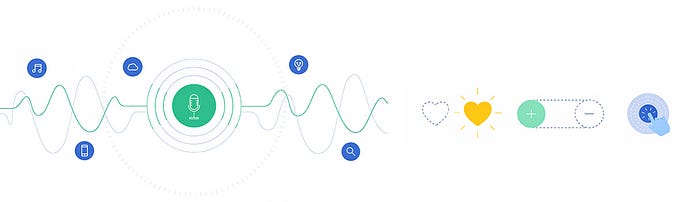
Multimodal UX
Voice interfaces
Gesture-based interactions
AI-first flows
Context-aware experiences
Press enter or click to view image in full size
Ethics, Accessibility & Responsibility
Ethical UX is no longer optional.
Designers must consider:
Neurodiversity-aware design
Accessibility-first typography and motion
Calm UX for cognitive load reduction
Ethical personalization (helpful, not invasive)
AI adapts interfaces.
Designers decide boundaries.
Practical UX Insight Good UX in 2026 often goes unnoticed — and that’s the point.
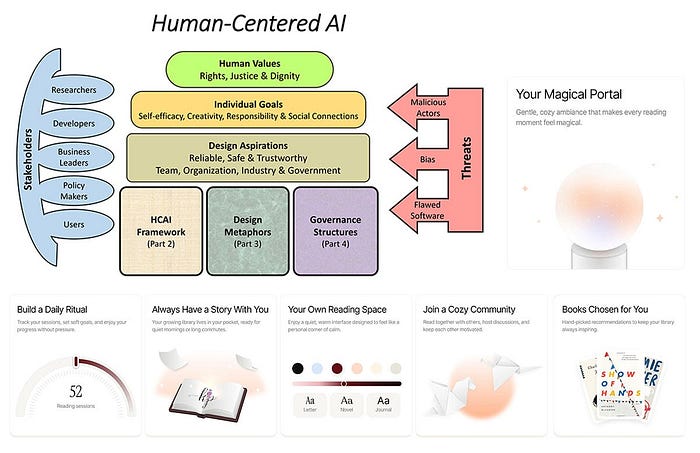
AI, Human Touch & Responsibility
The Truth About AI in 2026
AI is no longer impressive — it’s expected.
The value isn’t in what AI generates, but in:
What designers choose
What they edit out
What they refine with intention
Designers are shifting from creators to:
Editors. Curators. Decision-makers.
How AI Changes Process (Not Just Visuals)
Faster ideation and exploration
More time for thinking, testing, and storytelling
Designers move from creators to curators and decision-makers
Ethical Responsibility Designers in 2026 must consider:
Accessibility
Bias awareness
Data transparency
Emotional manipulation vs. ethical persuasion
Press enter or click to view image in full size
What’s No Longer Working in 2026
Press enter or click to view image in full size

What Designers Should Focus on in 2026
Instead of asking “What’s trending?”, ask:
Press enter or click to view image in full size

Core Focus Areas
Clarity over complexity
Meaning over decoration
Empathy over ego
Systems over one-off visuals
Skills, Mindset & Tools for the Future
Skills That Matter More Than Ever
Design thinking & problem framing
Storytelling
Typography fundamentals
UX strategy
Ethical reasoning
Mindset Shift
Designers are no longer just makers.
They are editors, thinkers, collaborators, and decision-makers.
Tools will change.
Taste, judgment, and empathy won’t.
Press enter or click to view image in full size

Final Thought: The Real Future of Design
2026 isn’t about chasing trends.
It’s about using them intentionally — to create clarity, emotion, and usefulness in a noisy world.
The designers who thrive won’t be the fastest or the flashiest.
They’ll be the ones who design with purpose, restraint, and humanity.
Join the newsletter
Be the first to read our articles.